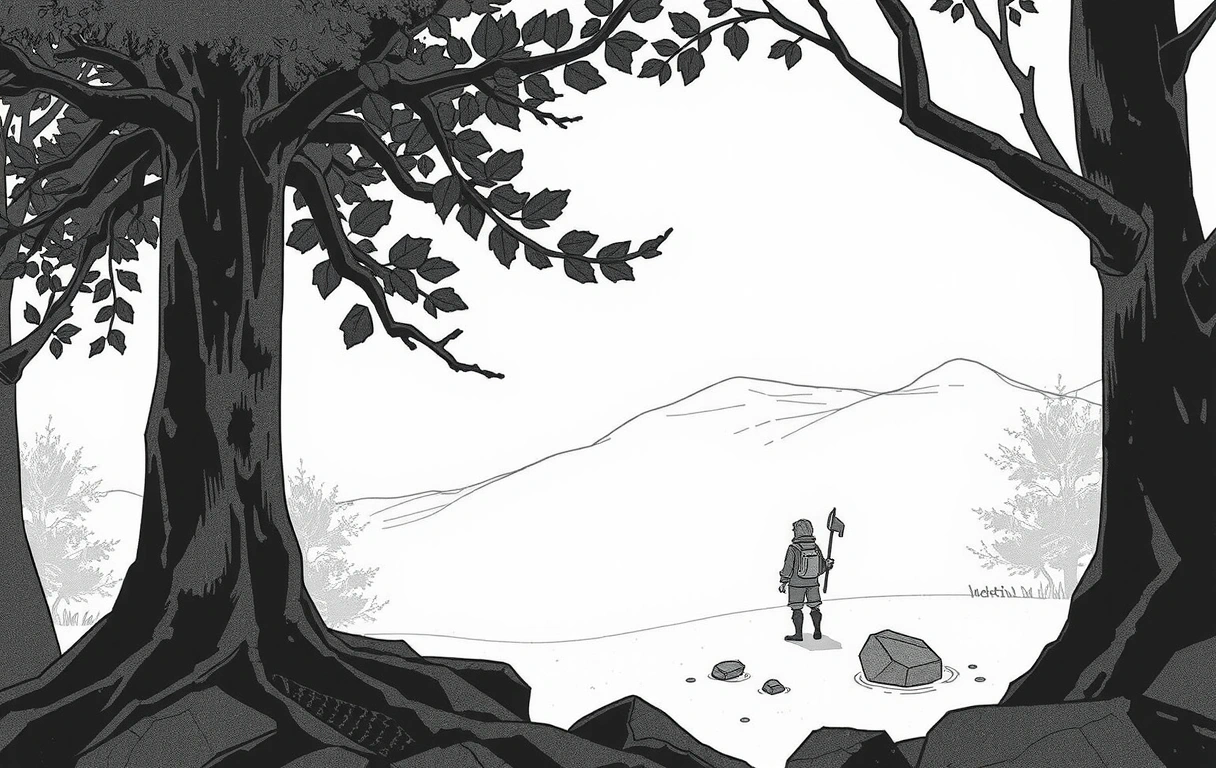
Narrative & Adventure
Focus: Emotional pacing, environmental storytelling.
- • Core Loop: Investigation + Revelation
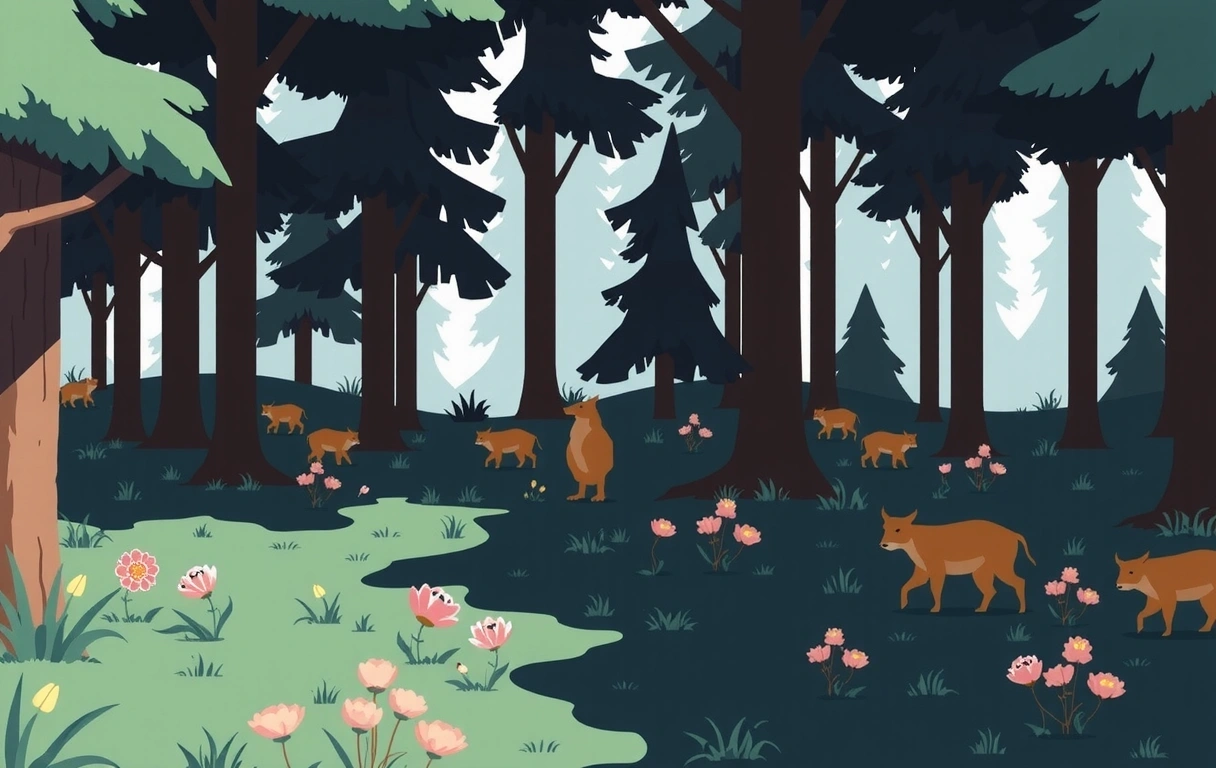
- • Art Direction: Polish Folklore Motifs
- • Prototype Stage: 6 Weeks
iOS • Android
Mid-range Target
We prototype for feel first, then build for scale. Below is a cross-section of our design range—from hyper-casual loops to narrative systems—each mapped to its platform constraints and technical pillars.
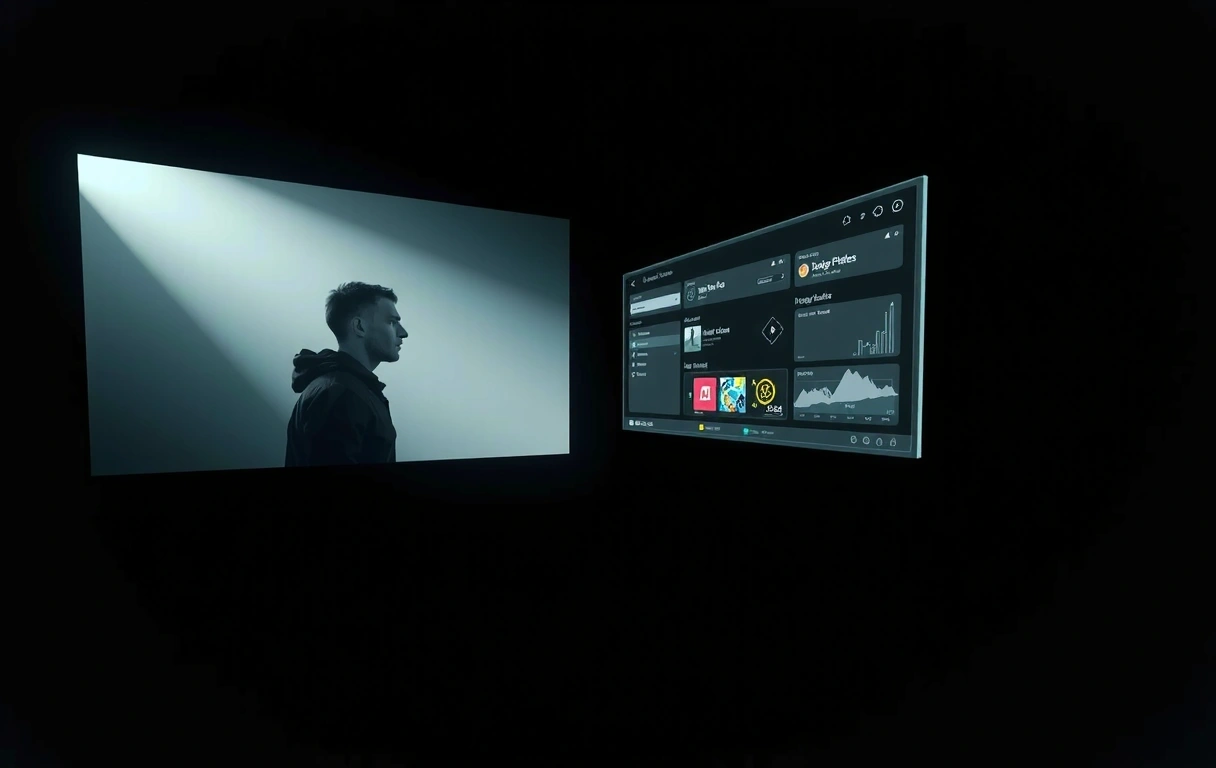
Concept Collage: Lumen Echo & Genre Prototypes
Focus: Emotional pacing, environmental storytelling.
Instant Gratification Loops
Short-session multiplayer
Passive progression systems
Score-chasing, minimalist
✓ Native • • Progressive Web App • — Not in scope
“Our focus on the Polish market informs our monetization models. We adapt the balance of IAP vs. ads based on regional payment behavior, not just global averages.”
— Lead Monetization Designer
Our portfolio isn't a random assortment of ideas. Each concept is a calculated experiment in a specific design pillar—be it emotional pacing, instant gratification, or social dynamics—built to answer one core question: Does this feel like something people want to return to?
A deep-dive into our flagship concept, revealing the strategic thinking behind its light-refraction puzzle system.
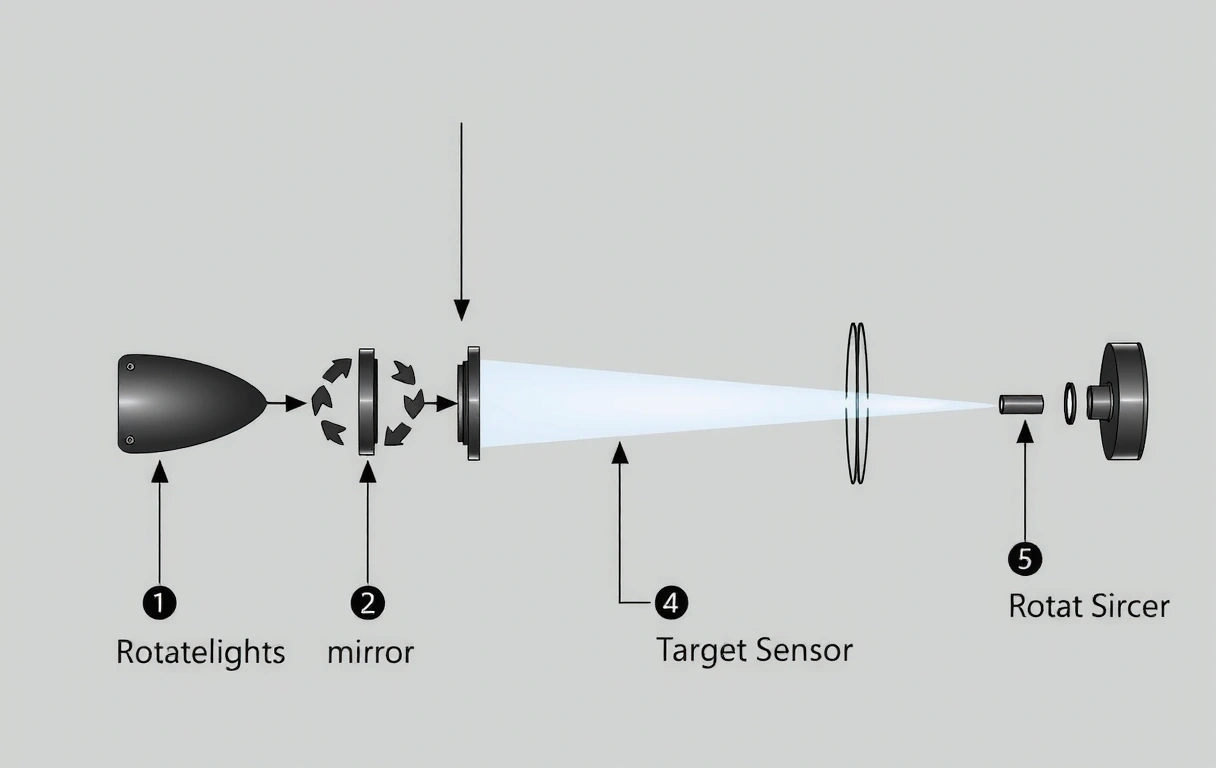
Touch to rotate mirrors. Physics-based, variable sensitivity.
Line-of-sight check. Real-time beam rendering via GPU shaders.
Success state triggers audio feedback and environmental change.
Design maps: Discovery → Minor Frustration → Clear 'Aha!' Moment.
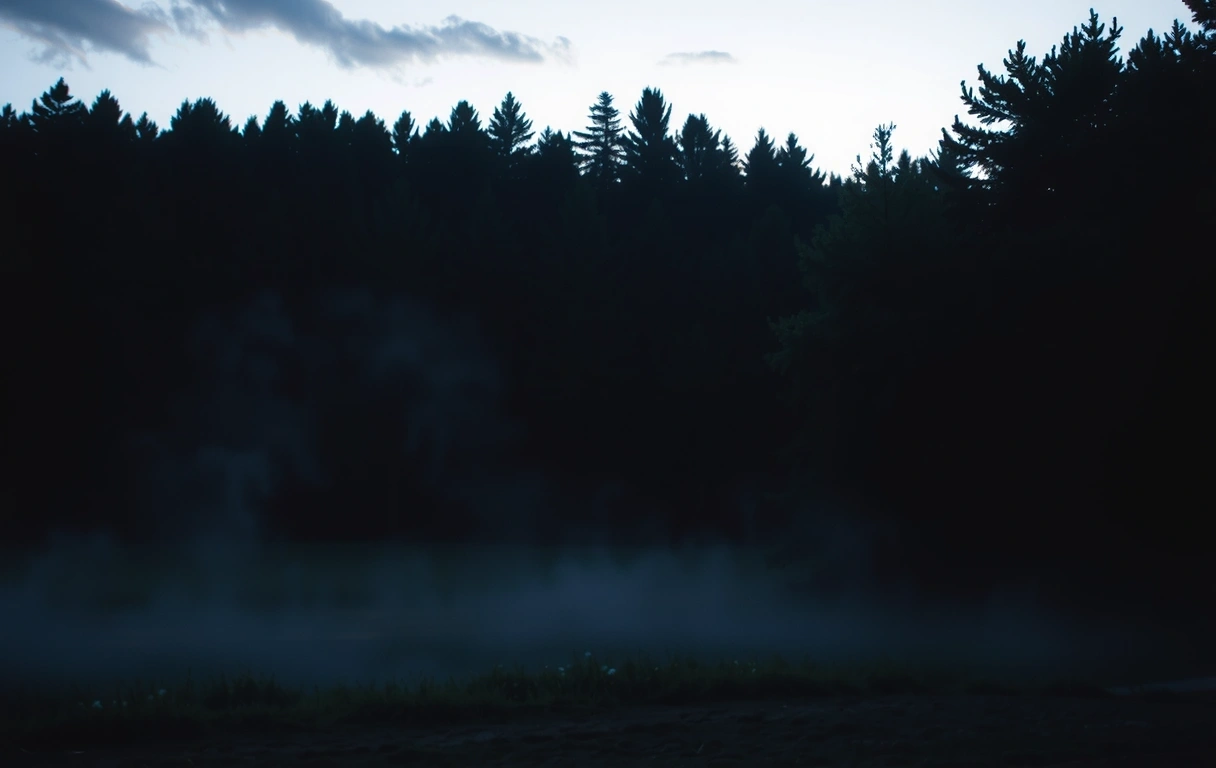 Reference
 Render
We limited the color palette to 5 hues to ensure performance on mid-range Android devices. This forced abstraction became a key visual signature.
At the 3-minute mark, the player encounters the first mirror puzzle. The light source is fixed. The target is out of reach. They drag a mirror, see the beam streak past the target, feel a pinch of frustration. They try again, adjust slightly—the beam hits. A soft chime, the environment brightens. This 10-second loop establishes the game's core language.
How our location in Warsaw shapes our design philosophy and creates a unique value proposition for global partners.
Culturally specific references (e.g., Slavic folklore) create a unique aesthetic and strong local identity.
Risk of alienating international audiences who lack the cultural context.
We treat the aesthetic as a visual language, not a joke. The story is universal; the art style is the local accent.
The Witcher Series
Learned: How to build rich lore from simple, tangible artifacts.
Katamari Damacy
Learned: Finding profound fun in simple, emergent physics.
Over-localizing UI elements. Icons and gestures must be tested for global comprehension, even when the narrative is intensely local.
Every portfolio piece involves conscious trade-offs. Here’s how we frame them.
We build with clean APIs and minimal dependencies, lowering the barrier for partners.
Live-ops events demand real-time data. Some narrative elements work better in batch.
Our engine is optimized for our design pillars, not every possible game genre.
We value transparency. Here are the hard questions we encourage.
Let's discuss how our design philosophy aligns with your project goals. We can review your brief and provide a feasibility assessment.
Request a Consultation